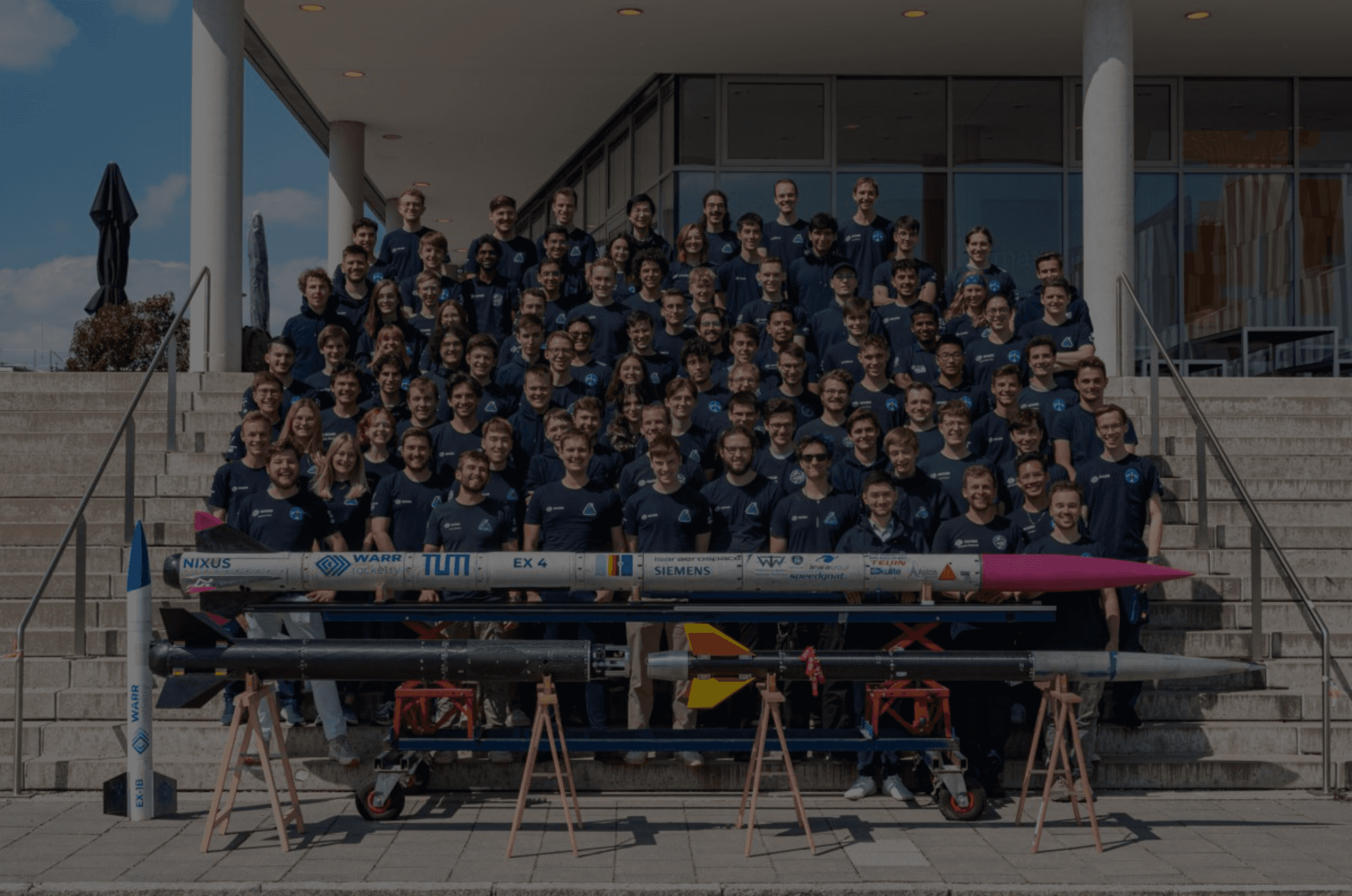
The GNC (Guidance, Navigation and Control) Department is responsible for the development of the rocket guidance and control systems, with the objective of ensuring the correct flight trajectory and the accurate achievement of the target apogee. The department activities mainly focus on the development of a high-fidelity simulator and on the design of active control algorithms for movable aerodynamic systems, particularly airbrakes, which are responsible for the dynamic regulation of the rocket during ascent.
FLIGHT DYNAMICS SIMULATION and MODELING
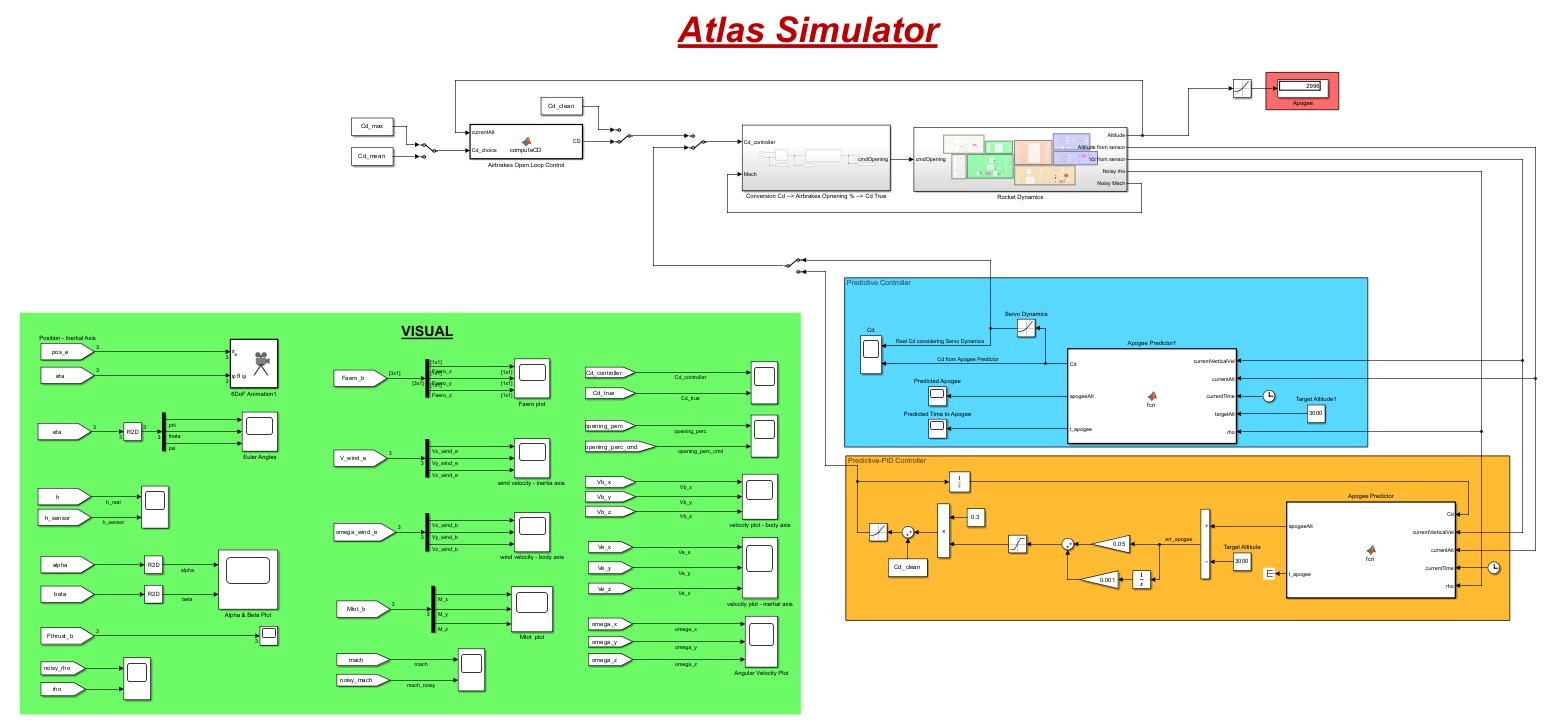
The department develops a simulator to study rocket dynamics, implemented in MATLAB and Simulink environments. These tools allow the complete reproduction of the flight trajectory and the modeling of the interaction between longitudinal dynamics, propulsion, aerodynamics, and control systems.
The simulations include effects related to mass variation during motor burn, Mach-dependent aerodynamic drag, atmospheric perturbations, and nonlinearities introduced by mechanical actuators. These models are used both for the preliminary validation of control architectures and for the generation of realistic hardware-in-the-loop and software-in-the-loop test scenarios, which are essential to ensure the correct operation of the control system once implemented on the physical platform.
GUIDNCE and ACTIVE AIRBRAKE CONTROL
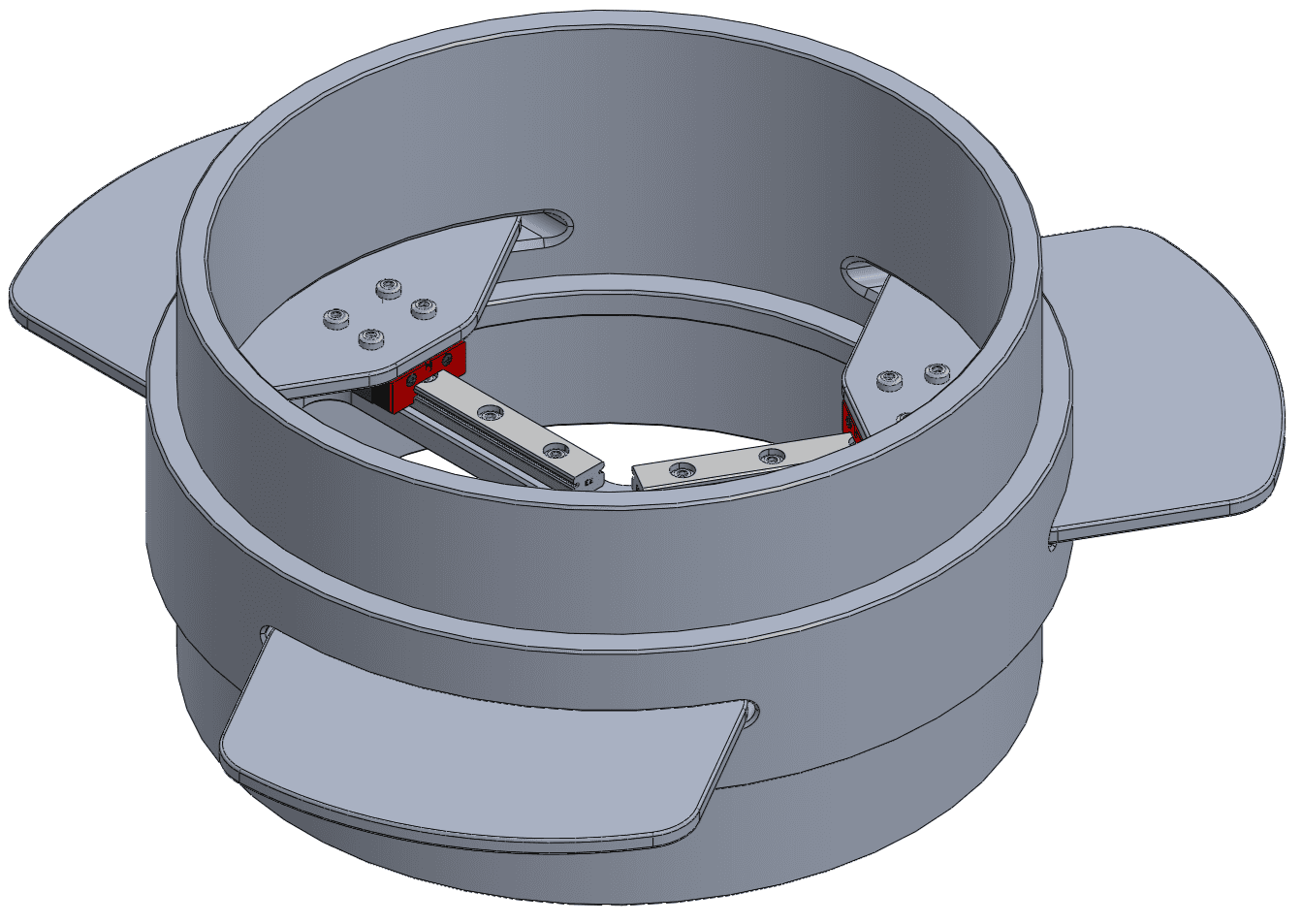
The main activity of the department concerns the development of active control systems for airbrakes, used to modulate the aerodynamic drag of the vehicle and accurately control the apogee. By dynamically adjusting the deployment of movable aerodynamic surfaces, the system can dissipate kinetic energy during ascent, compensating for variations caused by wind, motor dispersion, or non-nominal atmospheric conditions.
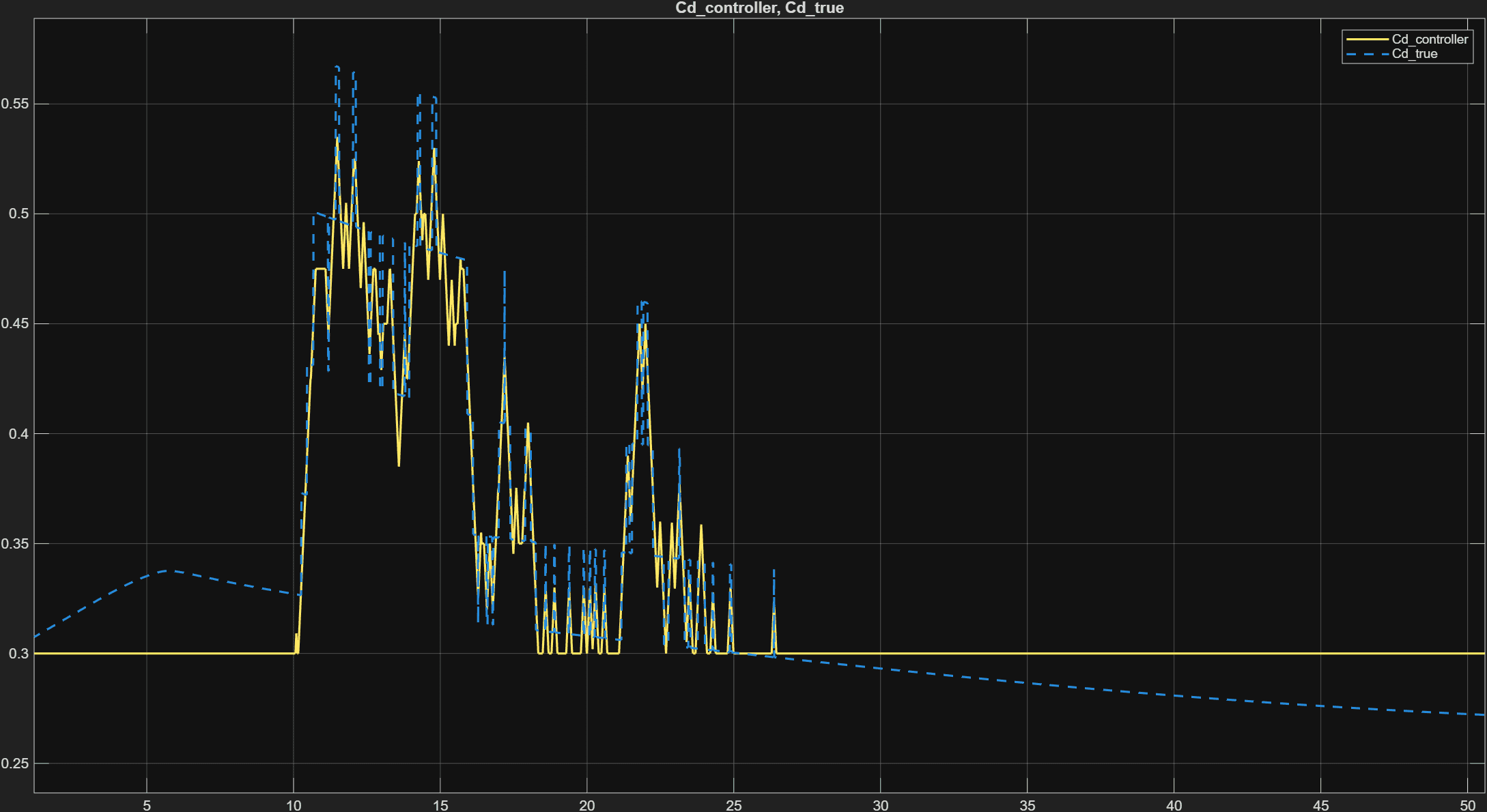
Different control approaches are studied and implemented, with particular focus on well-established and validated aerospace techniques, including PID controllers and model-based predictive strategies (simplified MPC). The algorithms are designed to operate in real time on embedded hardware, while satisfying computational constraints and reliability requirements imposed by the flight environment.
A fundamental part of the development process concerns the robustness analysis of the controllers in the presence of parametric uncertainties and external disturbances. Dedicated simulation campaigns are carried out to evaluate control stability and performance under non-ideal operating conditions.
The analyzed scenarios include wind gusts, atmospheric density variations, errors in aerodynamic coefficients, sensor measurement noise, computational delays, and actuator performance degradation. Through Monte Carlo simulations and statistical analyses, the department verifies the capability of the system to maintain accuracy and stability even in the presence of significant operational dispersions.
The final objective is the development of an autonomous, reliable, and robust guidance and control system capable of ensuring accurate mission achievement even in highly dynamic and strongly perturbed flight scenarios.
" width="34px"><path d="M 16.817 20.757 C 16.303 20.757 15.822 20.663 15.375 20.473 C 14.928 20.284 14.536 20.02 14.197 19.681 C 13.859 19.342 13.595 18.943 13.405 18.483 C 13.215 18.022 13.121 17.535 13.121 17.02 C 13.121 16.506 13.215 16.025 13.405 15.578 C 13.595 15.131 13.859 14.739 14.197 14.4 C 14.536 14.062 14.928 13.798 15.375 13.608 C 15.822 13.419 16.303 13.324 16.817 13.324 C 17.846 13.324 18.72 13.683 19.437 14.4 C 20.155 15.118 20.514 15.991 20.514 17.02 C 20.514 17.535 20.419 18.022 20.229 18.483 C 20.04 18.943 19.776 19.342 19.437 19.681 C 19.099 20.02 18.706 20.284 18.259 20.473 C 17.812 20.663 17.332 20.757 16.817 20.757 Z M 22.748 17.02 C 22.748 16.777 22.734 16.526 22.707 16.269 C 22.68 16.012 22.64 15.775 22.585 15.558 L 24.251 15.558 L 24.251 23.723 C 24.251 23.939 24.183 24.115 24.048 24.251 C 23.912 24.386 23.736 24.454 23.52 24.454 L 10.115 24.454 C 9.898 24.454 9.722 24.386 9.587 24.251 C 9.451 24.115 9.384 23.939 9.384 23.723 L 9.384 15.558 L 11.049 15.558 C 10.995 15.775 10.954 16.012 10.927 16.269 C 10.9 16.526 10.886 16.777 10.886 17.02 C 10.886 17.833 11.042 18.605 11.354 19.336 C 11.665 20.067 12.085 20.703 12.613 21.245 C 13.141 21.787 13.771 22.213 14.502 22.524 C 15.233 22.836 16.005 22.992 16.817 22.992 C 17.63 22.992 18.401 22.836 19.133 22.524 C 19.864 22.213 20.493 21.787 21.022 21.245 C 21.55 20.703 21.969 20.067 22.281 19.336 C 22.592 18.605 22.748 17.833 22.748 17.02 Z M 16.98 0 C 19.336 0 21.543 0.447 23.601 1.341 C 25.659 2.234 27.46 3.446 29.004 4.976 C 30.547 6.506 31.766 8.3 32.66 10.358 C 33.553 12.417 34 14.624 34 16.98 C 34 19.336 33.553 21.543 32.66 23.601 C 31.766 25.659 30.547 27.46 29.004 29.004 C 27.46 30.547 25.659 31.766 23.601 32.659 C 21.543 33.553 19.336 34 16.98 34 C 14.624 34 12.417 33.553 10.358 32.659 C 8.3 31.766 6.506 30.547 4.976 29.004 C 3.446 27.46 2.234 25.659 1.341 23.601 C 0.447 21.543 0 19.336 0 16.98 C 0 14.624 0.447 12.417 1.341 10.358 C 2.234 8.3 3.446 6.506 4.976 4.976 C 6.506 3.446 8.3 2.234 10.358 1.341 C 12.417 0.447 14.624 0 16.98 0 Z M 26.485 9.587 C 26.485 8.964 26.268 8.436 25.835 8.002 C 25.402 7.569 24.874 7.352 24.251 7.352 L 9.384 7.352 C 8.761 7.352 8.233 7.569 7.799 8.002 C 7.366 8.436 7.149 8.964 7.149 9.587 L 7.149 24.454 C 7.149 25.077 7.366 25.605 7.799 26.038 C 8.233 26.472 8.761 26.688 9.384 26.688 L 24.251 26.688 C 24.874 26.688 25.402 26.472 25.835 26.038 C 26.268 25.605 26.485 25.077 26.485 24.454 Z M 23.52 9.587 C 23.736 9.587 23.912 9.661 24.048 9.81 C 24.183 9.959 24.251 10.142 24.251 10.358 L 24.251 12.593 C 24.251 12.809 24.183 12.985 24.048 13.121 C 23.912 13.256 23.736 13.324 23.52 13.324 L 21.286 13.324 C 21.069 13.324 20.886 13.256 20.737 13.121 C 20.588 12.985 20.514 12.809 20.514 12.593 L 20.514 10.358 C 20.514 10.142 20.588 9.959 20.737 9.81 C 20.886 9.661 21.069 9.587 21.286 9.587 Z" fill="rgb(255, 255, 255)" height="34px" id="LJ1fYYFi_" transform="translate(0 0)" width="34px"/></g></svg>)
" height="34px" id="CgZ_Uuy7R" transform="translate(0 0)" width="34px"/></g></svg>)